
Scoliosis Care in Subang Jaya
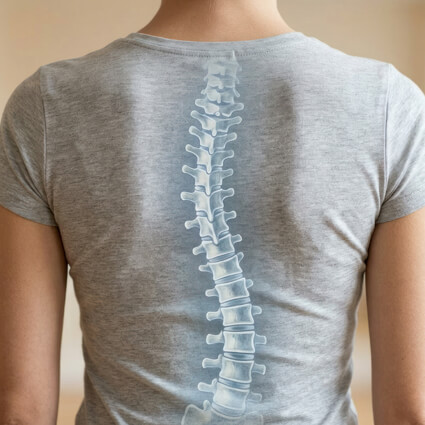 Maybe you’ve noticed one shoulder sitting higher than the other. Or your back gets tired long before the rest of you does.
Scoliosis shows up differently in everyone, and plenty of people have no pain at all. When it does start affecting how you move and feel, the Subang Jaya chiropractors at Helios Chiropractic can assess your movement, explain what they find and discuss whether chiropractic care may be appropriate.
A Curve That Twists as Well as Bends
Scoliosis is a sideways curve of the spine, usually with some rotation of the vertebrae as well. Seen from behind, the spine can take on a C or S shape instead of running fairly straight.
The most common form is idiopathic scoliosis, meaning no specific cause can be identified.
Different Curves at Different Stages of Life
Scoliosis can have several different origins:
- Idiopathic curves, often first noticed during the teenage growth years
- Congenital differences in how the spine formed
- Neuromuscular conditions that affect muscle support
- Degenerative changes in the spine later in life
What about slouching? Poor posture can change how you look and move, but posture alone isn’t considered a cause of structural scoliosis. A temporary postural habit and a structural curve aren’t the same thing.
Uneven Shoulders, Tight Muscles and Other Clues
Mild curves can be easy to miss. Signs may include one shoulder or hip sitting higher, a more prominent shoulder blade, clothes hanging unevenly, muscle tension, back discomfort, or reduced flexibility.
In children and teenagers, changes may become more noticeable during growth spurts. Adults may notice discomfort as age-related changes develop alongside a long-standing curve.
When an Uneven Posture Deserves a Closer Look
If you’ve spotted changes in your child’s spine, or your own back pain and stiffness keep getting worse, it’s worth getting assessed rather than guessing. Not every ache or uneven posture is caused by scoliosis.
For a growing child, a suspected curve should also be monitored by an appropriate medical professional. Chiropractic care may be considered for musculoskeletal symptoms and physical function, but it doesn’t replace medical monitoring.
Looking Past the Curve to How You Actually Move
Your first visit starts with a conversation about your symptoms, when you first noticed changes, and how work, exercise and daily life affect you. We then look at your posture, spinal and joint movement, muscle balance, and how your spine and hips work together.
We’ll explain what we find and whether chiropractic care may suit your situation. If imaging or further medical evaluation is needed, we’ll recommend seeing the relevant healthcare professional.
Care may include chiropractic adjustments, soft tissue therapy and practical advice on movement and daily activities. Exercises may focus on core and hip strength, mobility, balance, movement control and postural awareness, depending on your age, symptoms and physical ability. We’ll explain why they’re being recommended, too.
Strong, Mobile and Comfortable, Curve and All
Making the spine look straighter isn’t the goal here. The focus is on maintaining strength and function, moving well and managing symptoms where they’re present.
That may mean focusing on the things that matter in your everyday life, whether that’s work, exercise or simply moving with greater comfort.
Frequently Asked Questions
Can chiropractic treatment correct scoliosis?
Do I need an X-ray for scoliosis?
Let’s Take a Proper Look at Your Spine
Back stiffness that won’t settle? A shoulder line that’s started to look uneven? Our team can assess what’s going on, explain what we find in plain language and discuss whether chiropractic care may suit your situation. Contact Helios Chiropractic today to book an appointment.
CONTACT US »
